
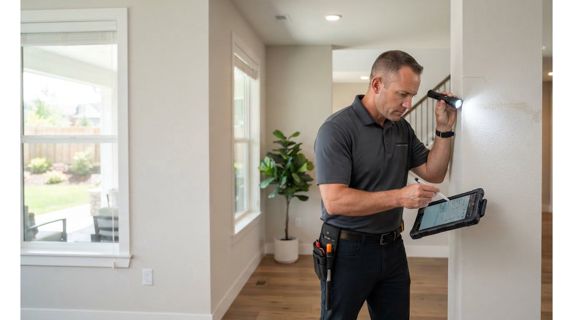
What if a small crack, slow leak, or damp spot could turn into a costly repair simply because you noticed it too late? Property problems often begin with small changes that are easy to overlook. Regularly monitoring your property can help you catch these warning signs early and keep maintenance costs under control.
You do not need to be a building expert to get started. Simple visual checks, dated photos, maintenance records, and a practical property maintenance checklist can help you understand how your home is aging and which areas need attention.
Here are practical ways to monitor your property’s condition and know when professional help may be needed.
1. Create a Regular Property Inspection Routine
You do not have to wait for a major problem before checking your property. A regular inspection routine makes it easier to notice changes while they are still manageable.
Start With Monthly Visual Checks
Once a month, walk around your property and look for anything unusual. Check walls and ceilings for cracks or stains, look under sinks for leaks, and inspect windows, doors, and visible pipes.
Outside, check the roof from a safe position, inspect gutters and downspouts, and look for damaged siding or areas where water collects.
Add Seasonal Inspections
Different seasons can create different maintenance concerns. Before winter, check for roof damage, drafts, and blocked gutters. In spring, look for water damage after heavy weather. Summer is a good time to check HVAC performance, while fall is ideal for clearing gutters and preparing the property for colder temperatures.
Focus on High-Risk Areas
Pay extra attention to the roof, attic, basement, crawl space, plumbing areas, foundation, and exterior walls. Regular property inspection tips like these can make it easier to monitor home condition over time.
2. Use a Property Maintenance Checklist
It is easy to forget when something was last repaired or inspected. A simple property maintenance checklist keeps important tasks organized.
Roof and gutters: Look for damaged or missing shingles, blocked gutters, and poor drainage.
Plumbing and drainage: Check under sinks, around toilets, and near visible pipes for leaks, moisture, unusual odors, or slow drains. Make sure outdoor water drains away from the foundation.
Electrical systems: Watch for damaged outlets, loose switches, flickering lights, or frequently tripped breakers. Leave electrical repairs to qualified professionals when necessary.
HVAC: Pay attention to unusual noises, weak airflow, inconsistent temperatures, or increased energy use. Replace filters according to the manufacturer's recommendations.
Doors and windows: Look for drafts, damaged frames, broken seals, or windows and doors that are difficult to operate.
Foundation and exterior: Check for visible cracks, damaged siding, peeling paint, rot, and areas where water collects.
3. Take Photos and Keep Maintenance Records
Memory is not always reliable when it comes to property maintenance. A repair may seem recent, but months later, you may not remember exactly what was fixed or what the area looked like beforehand.
Take dated photos of important areas such as the roof, exterior walls, attic, basement, plumbing areas, and other locations where problems may develop.
Keep a simple record of repairs and replacements, including the date, type of work, and relevant details. Also save inspection reports, receipts, warranties, and service records in one location.
Comparing older photos with current conditions can reveal gradual changes that might otherwise go unnoticed. These records can become a valuable part of your property condition assessment.
4. Watch for Signs of Moisture and Water Damage
Water damage can begin quietly and become a serious problem if ignored. A small leak behind a wall or around a window may eventually damage building materials and create conditions for mold growth.
Look for:
Brown or yellow stains on ceilings and walls
Musty odors, especially in basements and crawl spaces
Peeling or bubbling paint
Damp areas around plumbing fixtures
Moisture around windows and doors
Slow drains or unexplained changes in water pressure
Do not simply paint over a water stain without finding its cause. Early investigation can help prevent more extensive damage.
5. Monitor Structural and Exterior Changes
Some property problems develop slowly, making regular observation important.
Check walls and ceilings for new, widening, or recurring cracks. Small settlement cracks can occur naturally, but changes over time should be documented and monitored.
Pay attention to floors that feel unusually uneven or sloped, especially if the change appears suddenly or continues to worsen.
Walk around the exterior and look for foundation cracks, damaged siding, rot, loose materials, or water collecting near the structure. From a safe viewing position, also check the roof for missing shingles, sagging areas, moss growth, or visible deterioration.
Taking photos of these areas makes it easier to compare their condition later.
6. Pay Attention to Energy Efficiency
Your energy bills can provide useful clues about your property's condition. An unexplained increase in energy use may sometimes be connected to insulation, windows, doors, or HVAC performance.
Compare current energy bills with previous months and similar periods from earlier years. If your usage has changed without a clear reason, investigate further.
Check windows and doors for drafts or damaged weatherstripping. If some rooms are consistently warmer or colder than others, insulation may need attention.
Also watch for HVAC problems such as unusual noises, weak airflow, frequent cycling, or difficulty maintaining comfortable temperatures.
If energy use remains unusually high, an energy audit can help identify areas where efficiency may be lost.
7. Know When to Bring in a Professional
Regular personal checks are useful, but some issues are difficult to identify without professional experience.
Consider professional help when:
You cannot determine the cause of a recurring leak or unusual odor.
A crack appears to be growing or returning.
The same problem continues after repairs.
You are buying or selling a property.
Major renovations have recently been completed.
You need a detailed assessment of the property's overall condition.
A professional inspection can provide a clearer picture of visible conditions and major systems than a basic visual check.
If you need help evaluating your property's condition, Power House Inspection LLC provides professional inspection services that can complement your regular maintenance routine and property records.
8. Use Professional Inspection Reports as a Baseline
A professional inspection report can provide a useful snapshot of your property's condition at a specific point in time. Keep the report with your maintenance records so you can refer to it when planning future repairs.
Inspection findings can also help you prioritize work. Safety concerns and issues that could lead to additional damage should generally receive attention before less urgent improvements.
Over time, you can compare older inspection reports with newer inspections, repairs, photos, and maintenance records. This can help you recognize recurring problems and understand how different parts of your property have changed.
Conclusion
Keeping track of your property's condition does not have to be complicated. Regular visual checks, a property maintenance checklist, dated photos, and organized records can help you notice small changes before they become expensive problems.
Pay attention to moisture, structural changes, exterior damage, and energy efficiency. Do not ignore issues that continue to return or problems you cannot identify yourself.
The goal is not to find every problem on your own. It is to stay aware of your property, document changes, and know when professional help is appropriate. Combining regular maintenance with professional inspections can help protect your property's condition, value, and long-term performance.
Frequently Asked Questions
1. How often should I check my property's condition?
A monthly visual check is a good starting point, along with seasonal inspections. You should also check your property after severe weather or whenever you notice something unusual.
2. What should a property maintenance checklist include?
A basic checklist should cover the roof, gutters, plumbing, drainage, electrical systems, HVAC, doors, windows, foundation, and exterior. You can adjust it based on your property's age and features.
3. What are common signs that a property needs attention?
Water stains, musty odors, peeling paint, new cracks, uneven floors, damaged siding, roof deterioration, and unusual energy bills can all indicate that an area needs closer attention.
4. When should I get a professional property inspection?
Consider a professional inspection when you cannot identify the cause of a problem, when an issue keeps returning, after major renovations, or before buying or selling a property.
5. How can I track changes to my property over time?
Take dated photos, record repairs and replacements, and save inspection reports, receipts, and warranties. Comparing older records with current conditions makes it easier to identify changes early.
0 comments
Be the first to comment!
This post is waiting for your feedback.
Share your thoughts and join the conversation.