
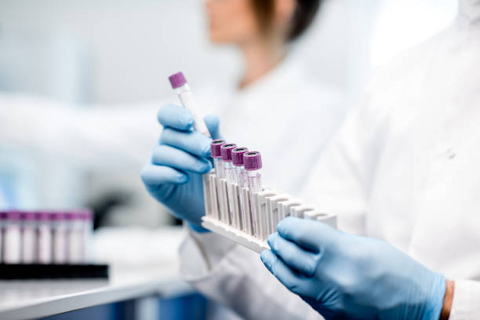
Diagnostic services are becoming increasingly important to healthcare delivery in the UAE as hospitals, clinics, preventive-care programs, and government health initiatives place greater emphasis on early detection and continuous disease monitoring. Laboratory testing and medical imaging support decisions across routine consultations, chronic disease management, emergency care, oncology, surgery, and preventive screening.
The UAE diagnostic testing landscape spans pathology, radiology and imaging, home sample collection, mobile diagnostic units, and multiple disease-specific testing applications. The analysis published by MarkNtel Advisors estimates that the sector was valued at USD 1.08 billion in 2025 and could reach USD 1.68 billion by 2032, with a projected CAGR of 6.54% during 2026–2032.
The direction of demand is being shaped by a combination of mandatory screening, chronic disease surveillance, healthcare infrastructure expansion, digitalization, and the increasing use of advanced diagnostic technologies. These factors are also changing how laboratories manage sample volumes, reporting workflows, specialist requirements, and relationships with hospitals and physician clinics.
Mandatory Screening Creates Consistent Testing Volumes
Government-mandated screening is an important structural factor supporting diagnostic demand in the UAE. Medical-fitness examinations linked to residency visas, employment permits, and renewals require laboratory and imaging procedures for large sections of the population. Such requirements create recurring testing activity that is less dependent on short-term changes in healthcare utilization.
Chronic disease surveillance adds another layer of recurring demand. Conditions such as diabetes and cardiovascular disease require regular monitoring through blood chemistry, hematology, lipid profiling, kidney-function assessments, and other laboratory investigations. The UAE’s emphasis on prevention and risk assessment therefore increases the frequency with which patients interact with diagnostic providers.
According to the UAE diagnostic laboratory analysis, more than 4,600 licensed healthcare facilities were operating in the country by the end of 2023, creating a broad network in which diagnostic services are embedded across primary, outpatient, specialist, and hospital-based care.
Pathology Remains Central to Clinical Decision-Making
Pathology represents a major part of diagnostic activity because laboratory-based testing is required across a wide range of clinical decisions. The segment includes clinical chemistry, hematology, immunology and serology, microbiology, histopathology and cytopathology, molecular diagnostics, and genetic testing.
The source analysis places pathology at about 74% of the UAE diagnostic labs landscape in 2025. Its position reflects the recurring role of laboratory testing in disease identification, treatment monitoring, surgical assessment, and preventive healthcare. Oncology is particularly relevant because tissue analysis and molecular testing can support diagnosis, staging, and treatment planning.
X-Ray Supports High-Volume Imaging Demand
Within radiology, X-ray remains a high-volume modality because it is widely used across emergency departments, outpatient services, surgical preparation, routine examinations, and screening programs. Its comparatively accessible deployment requirements also allow it to serve as an initial imaging option before patients are referred for more complex modalities.
The UAE diagnostic labs analysis indicates that X-ray accounted for about 30% of the radiology segment in 2025. CT, MRI, ultrasound, mammography, PET-CT, nuclear imaging, and other technologies complement conventional radiography by supporting more specialized diagnostic requirements across oncology, neurology, cardiology, orthopedics, and other clinical areas.
AI and Digital Workflows Are Reshaping Laboratories
Artificial intelligence is increasingly being integrated into diagnostic workflows, particularly in medical imaging, digital pathology, and workload prioritization. AI-enabled systems can assist specialists by identifying patterns, prioritizing potentially critical cases, and supporting the management of high volumes of images or digital pathology slides.
The UAE is also developing large-scale digital healthcare infrastructure that can connect diagnostic laboratories with hospitals, clinics, electronic medical records, and referral networks. This connectivity can improve the movement of patient information and diagnostic results while supporting more coordinated clinical decision-making.
Recent developments highlighted in the UAE diagnostic labs analysis include the expansion of AI-powered laboratory capacity in Abu Dhabi and wider adoption of AI-supported diagnostic imaging. These developments indicate a shift toward technology-enabled workflows in which automation complements, rather than replaces, specialist expertise.
Dubai Maintains a Strong Diagnostic Position
Dubai continues to hold a prominent position in the UAE diagnostic ecosystem. The analysis estimates that Dubai accounted for about 42% of the sector in 2025. A dense concentration of hospitals, clinics, healthcare professionals, specialty providers, and diagnostic facilities supports high patient and sample volumes.
Dubai Healthcare City further strengthens this ecosystem by bringing clinical, diagnostic, and research organizations into a connected healthcare environment. Such clustering can shorten referral pathways, improve access to specialized services, and create opportunities for diagnostic providers to operate at higher utilization levels.
High Costs Remain a Constraint
Despite the positive demand environment, diagnostic laboratories face significant capital and operating requirements. Advanced imaging equipment such as MRI, CT, and PET-CT systems requires substantial investment beyond the equipment itself, including installation, shielding, software, maintenance, and facility requirements.
Specialist availability is another consideration. Radiologists, pathologists, nuclear-medicine specialists, and trained technologists are essential for operating advanced diagnostic systems effectively. Concentration of specialist talent in major healthcare centers can make expansion into other emirates more complex and may encourage laboratories to use teleradiology, centralized reporting, or outsourced specialist services.
What Could Shape the Sector Through 2032?
The UAE diagnostic labs sector is likely to remain closely connected to the country's broader healthcare transformation. Mandatory screening, chronic disease monitoring, preventive healthcare, advanced imaging, molecular diagnostics, genomic testing, and AI-enabled workflows are creating multiple pathways for continued development.
MarkNtel Advisors projects the sector to reach USD 1.68 billion by 2032, reflecting a 6.54% CAGR during 2026–2032. The outlook suggests that future development will depend not only on increasing testing volumes but also on how efficiently laboratories combine technology, specialist expertise, digital connectivity, regulatory compliance, and cost management.
Overall, the UAE diagnostic landscape is evolving from a conventional testing model toward a more integrated healthcare intelligence ecosystem. Pathology and X-ray are expected to remain important high-volume services, while molecular diagnostics, genomics, advanced imaging, AI, and connected laboratory workflows can broaden the range of capabilities available to healthcare providers and patients.
0 comments
Be the first to comment!
This post is waiting for your feedback.
Share your thoughts and join the conversation.