
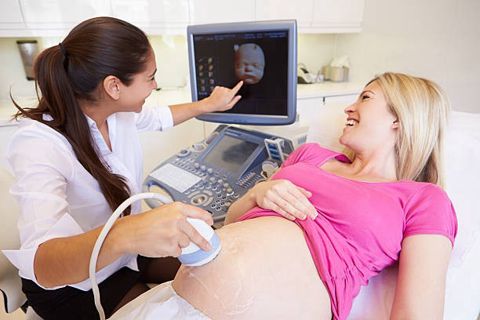
Medical imaging technologies continue to evolve, enabling healthcare professionals to deliver more precise diagnoses and improve patient care. Among these innovations, 3D and 4D ultrasound systems have become increasingly valuable for obstetrics, gynecology, cardiology, and general diagnostic imaging. These advanced imaging solutions provide enhanced visualization of anatomical structures, helping clinicians make informed decisions while improving the overall patient experience.
Healthcare providers across the Gulf Cooperation Council (GCC) are investing in modern diagnostic technologies to support better clinical outcomes and expand access to specialized healthcare services. A recent analysis by MarkNtel Advisors highlights the growing importance of advanced ultrasound imaging technologies as healthcare systems continue to modernize across the region.
The adoption of 3D and 4D ultrasound devices is also supported by increasing awareness of preventive healthcare, growing investments in digital medical infrastructure, and the expansion of hospitals, maternity centers, and specialized diagnostic facilities. As healthcare providers focus on delivering more patient-centric services, advanced imaging equipment is becoming an essential component of modern diagnostic workflows.
Why 3D and 4D Ultrasound Matters
Unlike conventional two-dimensional imaging, 3D ultrasound creates detailed three-dimensional images, while 4D ultrasound adds real-time motion to these images. This enables clinicians to observe fetal movements, facial expressions, and anatomical structures with greater clarity. These capabilities contribute to improved diagnostic confidence and enhance communication between healthcare providers and patients. According to the World Health Organization (WHO), access to quality diagnostic imaging plays an important role in strengthening healthcare systems and improving patient outcomes.
Growing Applications Beyond Obstetrics
Although prenatal care remains one of the most recognized applications, 3D and 4D ultrasound technologies are increasingly being utilized in multiple clinical specialties. Cardiologists use advanced imaging to evaluate heart structures, while radiologists employ these systems for soft tissue assessments. Gynecologists benefit from improved visualization of reproductive organs, supporting earlier diagnosis and more accurate treatment planning. These expanding applications continue to broaden the relevance of advanced ultrasound technologies across healthcare settings.
Technology Driving Better Clinical Decisions
Manufacturers are integrating artificial intelligence, automated measurement tools, improved image processing, and cloud-based connectivity into modern ultrasound platforms. These innovations help reduce examination time, improve workflow efficiency, and support clinicians with more consistent imaging results. The increasing integration of digital healthcare technologies is expected to further enhance the capabilities of diagnostic imaging solutions. The U.S. Food and Drug Administration (FDA) also emphasizes the importance of technological advancements that improve the safety and effectiveness of medical imaging devices.
Challenges Facing Adoption
Despite the benefits, healthcare providers may encounter challenges related to equipment costs, workforce training, and technology integration. Advanced ultrasound systems require skilled professionals who can accurately interpret complex images and maximize the capabilities of the equipment. Additionally, healthcare facilities often need supporting digital infrastructure to ensure seamless data management and interoperability with hospital information systems.
The Future of Ultrasound Imaging in the GCC
As governments across the GCC continue prioritizing healthcare modernization, demand for innovative diagnostic technologies is expected to strengthen. Ongoing investments in hospitals, digital transformation initiatives, and medical education are creating an environment that supports wider adoption of advanced imaging systems. The combination of technological innovation, improved healthcare accessibility, and increasing emphasis on early diagnosis positions 3D and 4D ultrasound devices as an important component of the region's evolving healthcare landscape.
With continued advancements in imaging quality, workflow automation, and clinical applications, 3D and 4D ultrasound technology is likely to remain a valuable tool for supporting accurate diagnosis and enhancing patient care across diverse medical specialties.
0 comments
Be the first to comment!
This post is waiting for your feedback.
Share your thoughts and join the conversation.