
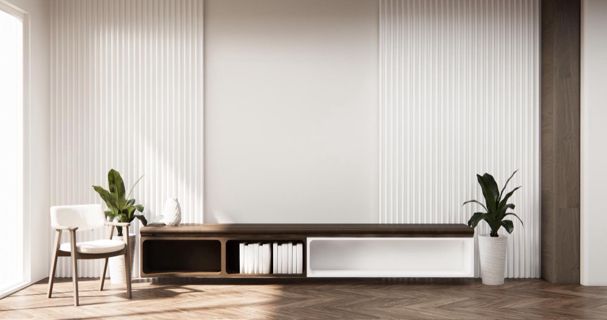
Retrofitting an older home presents both challenges and opportunities for meaningful improvement. Modern wall cladding in the Philippines offers homeowners practical solutions for updating exterior aesthetics while addressing weathering and durability concerns. This guide walks through the essential considerations, material evaluation criteria, and implementation steps for a successful retrofit project.
Understanding Your Current Wall Condition
Before selecting cladding materials, assess the existing wall structure thoroughly. Inspect for moisture damage, structural cracks, or biological growth that requires remediation. Document problem areas with photographs and measurements to guide contractor conversations and material specifications.
Why Wall Cladding Retrofits Matter
Older homes often suffer from weather exposure, paint deterioration, and surface degradation over decades. Cladding provides a protective outer layer that shields underlying walls from environmental stress. This investment extends building lifespan while transforming visual appeal and improving property marketability.
Evaluating Material Options
Your choice of material depends on local weather exposure, maintenance needs, design preferences, and your project budget. Common options include fiber cement boards, composite panels, natural stone veneers, and engineered wood products. Homeowners in wet coastal areas need options that resist rust, while inland properties should focus on sun protection and moisture management.
Evaluating Local Contractors and Labor Costs
Finding a skilled team that knows how to install exterior panels is vital for a long-lasting project finish. You should ask local builders for pictures of their previous framing and panel insulation work. Get written cost estimates that separate the daily labor pay from the actual building material expenses. Choosing an experienced local team keeps your project moving quickly and reduces costly mistakes during the installation.
Structural Support Framework and Framing Options
Older concrete walls in the country often have uneven surfaces that require a straight metal or wood frame setup. Workers must install a sturdy backing grid made of galvanized iron steel channels or treated wood pieces. This framework creates a flat surface for the panels and leaves an open gap for necessary air movement. A solid frame prevents the exterior panels from warping or sagging over years of heavy use.
Material Logistics and Safe Site Storage
Heavy building items like fiber cement boards require careful shipping and safe handling on your property. You must arrange a dry covered space on your job site to protect the items from sudden rain. Stack the long panel pieces flat on the ground to keep them from bending or cracking before installation. Proper storage cuts down on material waste and keeps your project moving forward without shipping delays.
Planning the Retrofit Process
You should establish a clear project timeline that accounts for local weather shifts and contractor availability. It is also important to get all needed permits from your local building officials before starting any exterior construction work. Talking with local architects or engineers helps you follow community guidelines and avoids expensive mistakes during the installation.
Surface Preparation and Substrate Assessment
Workers must clean, repair, and prepare the old wall surfaces before putting up any new cladding panels. You need to fix structural problems like wood rot or cracked concrete and clear away all mold growth. Putting a proper moisture barrier behind the new panels keeps water out and prevents long-term decay.
Installation Methodology and Best Practices
Professional builders follow exact layout steps and use specific tools like strong adhesives or heavy mechanical fasteners. Installers must follow the product guidelines closely to meet local structural safety codes. Adding proper sealing around windows, doors, and roof edges stops water leaks at these common weak points.
Design Considerations for Aesthetic Impact
Your exterior material selection directly shapes the visual style and overall curb appeal of your house. Homeowners should choose color setups and surface textures that look great with nearby houses and match personal tastes. It helps to look at material samples in direct sunlight to see how the colors shift during the day.
Managing Budget and Cost Control
Total remodeling prices change based on your chosen materials, total wall area, and local labor rates. You should get several detailed quotes from contractors and set aside extra money for hidden wall issues. Using top-tier materials on highly exposed walls gives you great protection while keeping your total expenses under control.
Long-Term Maintenance and Care
Different cladding products need specific cleaning schedules and regular treatments to keep looking new. Learning about these upkeep needs helps you pick a durable product that matches your personal schedule. Be sure to save all product details, warranty paperwork, and care guides for easy future reference.
Key Takeaway
Retrofitting older homes with modern cladding requires careful assessment of current conditions, thoughtful material evaluation, and professional installation execution. Your understanding of the specific climate challenges and aesthetic goals guides the entire process. When approached systematically with attention to substrate preparation and proper installation techniques, wall cladding in the Philippines delivers lasting improvements in both function and appearance for residences.
0 comments
Be the first to comment!
This post is waiting for your feedback.
Share your thoughts and join the conversation.