
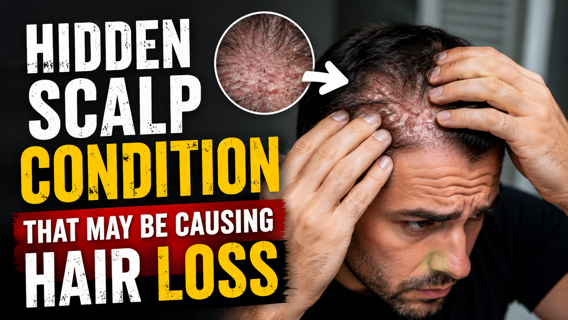
Most people think hair loss begins at the hair follicles, but the real problem may start much earlier—on the scalp itself. Your scalp is home to a complex ecosystem of microorganisms that play a crucial role in maintaining healthy hair growth. When this delicate balance is disrupted, it can lead to inflammation, scalp damage, and increased hair loss.
Researchers and experts associated with the Middle East Hair Research Society and various regenerative medicine organization initiatives are increasingly focusing on scalp health as a key factor in preventing hair loss and supporting long-term hair restoration.
Your Scalp Is Home to Billions of Microorganisms
The human scalp contains a diverse microbiome consisting of bacteria and fungi that naturally live on the skin surface. Common microorganisms found on the scalp include:
Corynebacterium
Cutibacterium
Staphylococcus
Malassezia furfur
These microorganisms normally coexist in harmony and help maintain a healthy scalp environment. However, problems begin when this balance is disturbed.
What Is Scalp Dysbiosis?
Scalp dysbiosis refers to an imbalance in the scalp microbiome. It occurs when beneficial microorganisms decrease while harmful organisms, particularly Malassezia furfur, begin to overgrow.
The issue is not the presence of these microbes themselves. The problem arises when their populations become unbalanced, creating an environment that promotes inflammation and scalp damage.
What Causes Scalp Dysbiosis?
Several factors can contribute to microbiome imbalance, including:
1. Harsh Chemical Products
Frequent use of chemical-based hair products may alter the natural pH of the scalp. When scalp pH changes significantly, beneficial bacteria may struggle to survive, allowing opportunistic organisms such as Malassezia furfur to multiply.
2. Excessive Sweating and Heat
Hot weather and excessive sweating can also affect scalp health. Sweat contains various compounds that may disrupt the natural microbial balance, reducing beneficial bacteria and encouraging fungal overgrowth.
As temperatures rise, the scalp environment becomes more favorable for Malassezia furfur, potentially increasing scalp irritation and inflammation.
How Malassezia Furfur Damages the Scalp
When Malassezia furfur grows excessively, it produces higher amounts of a compound known as oleic acid.
Oleic acid can become problematic because it may irritate the scalp and damage the outer protective layer known as the stratum corneum.
As this protective barrier weakens:
Scalp sensitivity increases
Irritation becomes more common
Inflammation develops around hair follicles
Nutrient delivery to hair roots may be affected
Over time, this inflammatory environment can compromise healthy hair growth.
The Link Between Inflammation and Hair Loss
Healthy hair follicles require a steady supply of oxygen, nutrients, and growth signals. Chronic scalp inflammation can interfere with these processes.
When inflammation surrounds the follicles:
Hair growth may slow down
Hair strands can become thinner
Shedding may increase
Follicles may enter resting phases prematurely
This creates conditions that contribute to progressive hair thinning.
Free Radical Damage and Hair Cycle Disruption
Another concern associated with microbial imbalance is oxidative stress.
When Malassezia furfur populations become excessive, they can contribute to the production of free radicals. These unstable molecules may damage cells within the scalp environment.
Oxidative stress can affect:
Hair follicle cells
Cellular repair mechanisms
Hair growth cycles
As a result, the active growth phase of hair may become shorter, leading to weaker, finer hair strands and increased shedding.
Why Scalp Health Matters in Modern Hair Restoration
Modern hair science increasingly recognizes that healthy hair begins with a healthy scalp. Leading experts within the Middle East Hair Research Society emphasize the importance of understanding scalp biology, microbiome balance, and inflammation when addressing hair loss concerns.
Similarly, many researchers working within the global regenerative medicine organization community are exploring innovative approaches that target scalp health alongside advanced treatments such as platelet-rich plasma (PRP), stem cell therapies, exosomes, and regenerative hair restoration techniques.
These developments highlight the growing understanding that successful hair growth depends not only on hair follicles but also on the environment in which those follicles exist.
How to Support a Healthy Scalp Microbiome
To maintain a balanced scalp ecosystem:
Use gentle scalp-friendly hair products.
Avoid excessive chemical treatments.
Keep the scalp clean without over-washing.
Manage excessive sweating when possible.
Follow a nutrient-rich diet that supports skin and hair health.
Address dandruff and chronic scalp irritation early.
Conclusion
Hair loss is not always caused by genetics alone. In many cases, scalp health plays a significant role. Scalp dysbiosis, characterized by an overgrowth of Malassezia furfur and a decline in beneficial microorganisms, can trigger inflammation, oxidative stress, and disruption of the hair growth cycle.
As ongoing research from organizations such as the Middle East Hair Research Society and the broader regenerative medicine organization field continues to advance, the importance of maintaining a healthy scalp microbiome is becoming increasingly clear. Protecting your scalp's natural balance may be one of the most effective steps toward healthier, stronger, and longer-lasting hair growth.
Follow Dr roxanna to stay updated on their latest posts!
0 comments
Be the first to comment!
This post is waiting for your feedback.
Share your thoughts and join the conversation.