
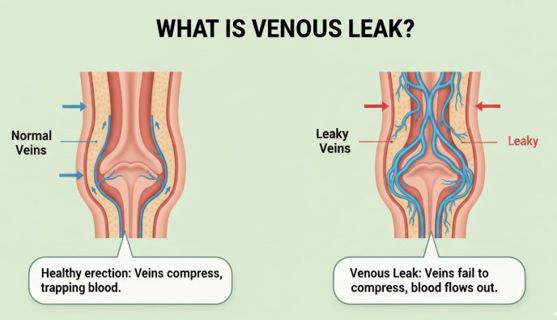
Venous Leak is a medical condition that affects a man’s ability to maintain an erection during sexual activity. It is one of the less commonly discussed causes of erectile dysfunction, yet it can significantly impact confidence, relationships, and overall quality of life. In a healthy erection, blood flows into the penis and remains trapped within the erectile tissues until sexual activity is complete. In men with venous leak, the blood escapes too quickly through the veins, making it difficult to maintain firmness.
Venous leak can affect men of different ages, although it is more common in middle-aged and older individuals. Understanding the condition, its causes, symptoms, and available treatments is important for anyone experiencing persistent erectile problems.
What Is Venous Leak?
Venous leak, also known as veno-occlusive dysfunction, occurs when the veins in the penis cannot properly trap blood during an erection. Normally, sexual stimulation causes blood vessels to expand, allowing blood to enter the penile tissues. At the same time, veins compress to prevent blood from flowing out too quickly.
In venous leak, this trapping mechanism fails. As a result, blood leaves the penis before a full erection can be maintained. Men with this condition may achieve an erection briefly, but it often becomes soft quickly.
Causes of Venous Leak
Several physical and psychological factors may contribute to venous leak. Common causes include:
1. Aging
As men age, the tissues and blood vessels in the penis may weaken, reducing their ability to retain blood.
2. Diabetes
Diabetes can damage blood vessels and nerves, increasing the risk of erectile dysfunction and venous leak.
3. Injury or Trauma
Pelvic injuries, surgery, or trauma to the genital area can affect blood circulation and vein function.
4. Cardiovascular Disease
Heart disease and high blood pressure may impair healthy blood flow and vascular function.
5. Hormonal Imbalances
Low testosterone levels can contribute to erectile problems and reduced sexual performance.
6. Psychological Factors
Stress, anxiety, depression, and relationship issues can worsen erectile dysfunction, although venous leak itself is primarily a physical condition.
7. Smoking and Alcohol
Smoking damages blood vessels, while excessive alcohol use can interfere with sexual function and circulation.
Symptoms of Venous Leak
Men with venous leak may experience several symptoms, including:
Difficulty maintaining an erection
Erections that fade quickly during intercourse
Reduced firmness of erections
Loss of confidence during sexual activity
Anxiety related to performance
Decreased sexual satisfaction
These symptoms may occur gradually or suddenly depending on the underlying cause.
How Venous Leak Is Diagnosed
Doctors use several methods to diagnose venous leak and determine the severity of the condition.
Medical History and Physical Examination
A healthcare provider will ask about symptoms, lifestyle habits, medical conditions, and sexual history.
Ultrasound Testing
A penile Doppler ultrasound measures blood flow in the penis and helps identify abnormal venous leakage.
Blood Tests
Hormone levels, blood sugar, and cholesterol levels may be checked to identify contributing conditions.
Erectile Function Assessment
Doctors may evaluate erection quality and duration using specialized tests.
Treatment Options for Venous Leak
Treatment depends on the severity of the condition and the patient’s overall health.
1. Lifestyle Changes
Healthy habits can improve blood circulation and erectile function:
Regular exercise
Weight management
Quitting smoking
Limiting alcohol consumption
Stress reduction
2. Oral Medications
Medications such as Sildenafil and Tadalafil may help improve blood flow and support stronger erections.
3. Vacuum Erection Devices
These devices create a vacuum around the penis, drawing blood into the erectile tissues and helping maintain firmness.
4. Injection Therapy
Certain medications can be injected directly into the penis to improve erection quality.
5. Surgical Treatment
In severe cases, surgery may be recommended. Surgical procedures aim to reduce abnormal venous drainage or implant a penile prosthesis.
6. Psychological Counseling
Therapy and counseling can help manage anxiety, stress, and emotional effects related to erectile dysfunction.
Can Venous Leak Be Prevented?
Although not all cases can be prevented, maintaining good overall health can reduce the risk. Preventive measures include:
Eating a balanced diet
Exercising regularly
Managing diabetes and blood pressure
Avoiding smoking
Reducing stress
Getting regular medical checkups
Early treatment of erectile problems may also prevent complications from worsening.
Emotional and Relationship Impact
Venous leak does not only affect physical health. Many men experience embarrassment, frustration, and low self-esteem. Relationship stress may also develop due to communication difficulties or reduced intimacy.
Open communication with a partner and seeking professional medical help can significantly improve emotional well-being and treatment outcomes.
When to See a Doctor
Men should consult a healthcare professional if they:
Frequently lose erections during intercourse
Experience ongoing erectile dysfunction
Notice reduced sexual performance
Have underlying health conditions like diabetes or heart disease
Early diagnosis can help identify the cause and improve treatment success.
Conclusion
Venous Leak is a treatable condition that affects the ability to maintain an erection due to abnormal blood leakage from the penile veins. While it can be frustrating and emotionally challenging, modern medical treatments and lifestyle improvements offer hope for many men.
Understanding the causes, recognizing the symptoms, and seeking timely medical care are essential steps toward better sexual health and confidence. With proper treatment and support, many men with venous leak can regain satisfying sexual function and improve their quality of life.
Follow Dot Clinics to stay updated on their latest posts!
0 comments
Be the first to comment!
This post is waiting for your feedback.
Share your thoughts and join the conversation.