
What Services Do Large Plastic Injection Molding Companies Usually Offer?
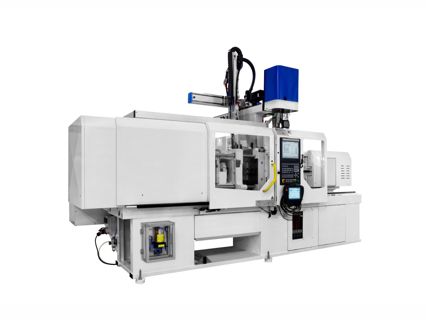
To successfully turn a digital sketch into a final product, modern manufacturers require technical skills. And many large plastic injection molding companies provide all-in-one solutions that go far beyond simply melting plastic into a metal tool. Here’s an outline of the specific professional tasks you can expect when partnering with a large-scale manufacturing facility.
Precision Mold Design and Engineering
After the part design is approved, the facility creates a detailed blueprint for the steel injection tool itself. This process includes planning the location of gates where the plastic enters and the pins that push the part out. Advanced engineering teams use specialized software to calculate the exact pressure and heat required for the project.
Mold Flow Analysis Simulations
Major manufacturers run digital simulations to predict how the liquid resin will travel through the internal cavities of the tool. This test shows if there are any air pockets or weak spots where the plastic might not bond together perfectly. Seeing these results allows the team to adjust the gate placement to produce a much stronger final product.
In-House Tool Fabrication
High-capacity manufacturers often operate their own internal machining departments to cut the steel molds from raw blocks. They use CNC machines and electrical discharge machining to reach the exact dimensions required for your blueprints. Keeping this work on the same property helps protect your designs and speeds up the entire building process.
High-Volume Injection Production
The primary work offered by these facilities is the mass production of parts using massive rows of injection presses. These machines run around the clock to produce hundreds of thousands of identical items for global distribution. Large scale operations have the floor space to house presses of various sizes for different part weights.
Custom Material Compounding and Mixing
Many large providers offer the ability to mix custom colors or add special properties to the raw plastic resin. They can blend in glass fibers for extra strength or UV stabilizers to prevent the plastic from fading in the sun. This service allows you to create a unique material profile that fits the specific needs of your end-user.
Overmolding and Insert Molding
Specialized facilities can combine different materials or metal components into a single finished part during the molding process. This technique is often used to add soft rubber grips to hard plastic handles or to secure metal screws inside a plastic housing. These advanced methods eliminate the need for manual assembly after the parts are made.
Precision Ultrasonic Welding
When two plastic parts need to be joined permanently without using glue or screws, manufacturers use high-frequency sound waves. This process creates a clean, airtight bond that is much stronger than traditional adhesives. It is a common service for medical devices and electronics where a perfect seal is needed.
Automated Part Assembly
Large-scale facilities often use robotic cells to put multiple plastic components together into a finished assembly. These robots can work much faster than human hands and maintain a high level of accuracy across every single unit. Using automated assembly helps lower the total cost of production for complex products with many pieces.
Custom Surface Finishing and Texturing
Factories can apply specific textures to the surface of the mold to give your parts a matte, glossy, or leather-like feel. They also offer post-production finishes like spray painting or metallic plating to improve the appearance of the product. These options help your items stand out on the shelf and provide a better experience for the consumer.
Silk Screening and Pad Printing
If your product requires a logo, serial number, or instructional text, the manufacturer can print these directly onto the plastic. Pad printing allows for crisp images on curved surfaces, while silk screening is used for larger, flat areas. Having this done at the factory prevents you from having to ship parts to a separate printing facility.
Rigorous Quality Testing and Metrology
Dedicated laboratories within the facility use coordinate measuring machines to verify the accuracy of every part batch. They perform stress tests and heat resistance checks to confirm the plastic performs as expected under pressure. This level of testing helps maintain a low rejection rate and prevents defective products from reaching your customers.
Mold Maintenance and Life Cycle Support
A professional manufacturer will clean, grease, and repair your steel tools throughout the entire life of the project. They keep detailed records of every cycle the mold performs to predict when parts might need to be replaced. This regular care prevents unexpected breakdowns and extends the total number of parts the tool can produce.
Key Takeaway
The wide range of options offered by large plastic injection molding companies help businesses simplify their entire production cycle. From the first design review to the final shipping container, these facilities provide the technical skill and machinery needed for success. With these professional resources, businesses can produce high-quality products that meet the demands of a global market.
0 comments
Be the first to comment!
This post is waiting for your feedback.
Share your thoughts and join the conversation.