

Why Microblading Changes Color and What You Can Do About It
Microblading is a popular way to create fuller, more defined eyebrows with a natural-looking appearance. While many clients love their results, it is not unusual for eyebrow pigment to change slightly as the brows heal and fade. Colors that initially look brown or neutral may gradually appear grey, red, or ashy.
These changes can be surprising, especially for someone who expected their brows to maintain the same shade. Fortunately, a change in pigment color does not always mean the brows are permanently damaged. Understanding why these changes happen can help you determine when professional correction may be appropriate.
Why Microblading Changes Color
There are several reasons why microblading changes color over time. The pigment used during treatment contains different color components, and as the skin heals and the pigment gradually fades, some tones may become more noticeable than others.

Sun exposure, skin type, skincare products, natural skin renewal, and the depth at which pigment was originally implanted can also influence how the color develops.
Immediately after microblading, brows often appear darker and more intense. As the skin heals, the color normally softens. Months or years later, fading may reveal undertones that were less noticeable when the brows were freshly treated.
This is one reason experienced professionals evaluate the existing pigment carefully before performing another brow treatment.
Why Do Brows Turn Grey, Red, or Ashy?
A grey or ashy appearance can develop as certain pigment tones fade. This can be particularly noticeable when the original pigment has lost some of its warmer or darker components.
If you are dealing with unwanted tones, a grey or ashy brows fix may be possible through professional color correction. However, the correct approach depends on the existing pigment and the condition of the skin.
Red tones can also appear in faded microblading. This may result from the undertones of the original pigment becoming more visible as other colors gradually fade.
Rather than simply applying a new color over the old one, a trained professional needs to determine what tones are already present.
Microblading Color Correction Guide
A professional microblading color correction guide can help explain the steps involved in addressing unwanted brow tones. The first step is generally an assessment of the existing brows.
The artist may consider the current color, saturation, shape, skin type, and history of previous treatments. Based on these factors, they can determine whether color correction is appropriate.
Color correction generally involves selecting a pigment that can help visually neutralize an unwanted undertone. The objective is not simply to make the brows darker. Instead, the correction should be carefully planned to create a more balanced appearance.
In some cases, existing pigment may be too saturated or improperly placed, making removal or lightening necessary before a new color can be introduced.
Fixing Faded Microblading Color
Fixing faded microblading color requires patience because adding more pigment is not always the immediate answer. If the original brows have faded evenly and the shape remains suitable, a professional refresh may be enough.
However, if the faded color has developed noticeable grey, red, or ashy undertones, the artist may recommend a correction rather than simply repeating the original procedure.
Clients should also consider how long ago their original microblading was performed. Older pigment can behave differently from recently applied pigment, so a detailed consultation is important.
Ashy Brows Microblading Fix
An ashy brows microblading fix should be personalized according to the underlying color. Simply choosing a warmer pigment without understanding the existing tones can produce an unexpected result.
A professional can examine the brows under appropriate lighting and determine which tones need to be balanced. Depending on the circumstances, a correction may involve a carefully selected pigment designed to neutralize the unwanted appearance.
After correction, clients should follow all aftercare instructions carefully. Healing affects the final color, so the brows should be given sufficient time before judging the completed result.
Red or Grey Microblading Correction
A red or grey microblading correction can be more complex when the existing pigment is strong or uneven. In these cases, the artist needs to consider both color and saturation.
Professional correction may take more than one session, depending on how the existing pigment responds. Trying to correct significant discoloration too quickly can make the final result more difficult to predict.
This is why consultation and realistic expectations are essential. A qualified professional should explain what can reasonably be achieved and whether additional sessions may be necessary.
Choosing a Boca Raton PMU Studio
If you are looking for a boca raton pmu studio, selecting a professional with experience in permanent makeup and color correction can make an important difference. 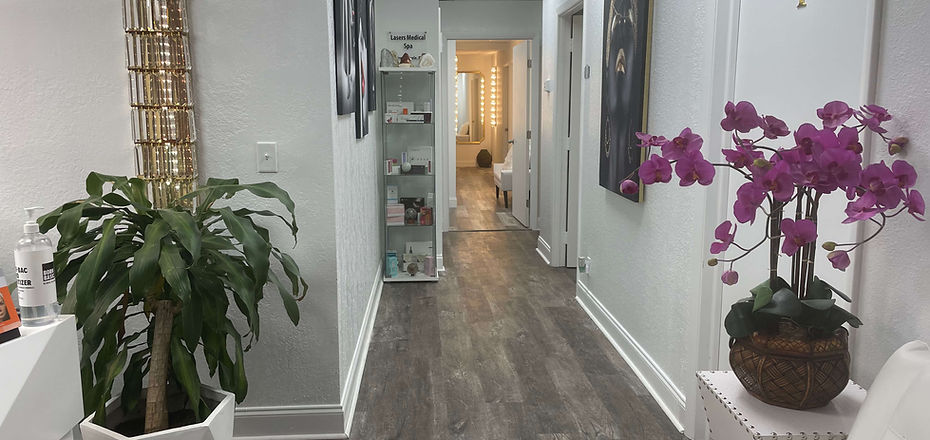
Kaviar Skin Studio provides beauty and permanent makeup services with an individualized approach. Clients searching for Kaviar Skin Studio Boca Raton FL can explore the studio when researching professional brow and permanent makeup services.
People who search for a microblading studio near me often want a convenient local option, but location should not be the only consideration. Experience, consultation quality, hygiene, technique, and examples of healed work are also important when selecting a brow professional.
Professional Help for Changing Brow Color
If your microblading has gradually become grey, red, or ashy, there may be professional options for improving the appearance. Avoid attempting to correct unwanted pigment at home with harsh products or unverified techniques, as these may irritate the skin.
Kaviar Skin offers a professional setting where clients can discuss their brow concerns and explore suitable permanent makeup services. A consultation can help determine whether a color correction, refresh, removal, or another approach is appropriate.
Understanding why microblading changes color is the first step. With professional evaluation, careful color selection, and proper aftercare, unwanted brow tones can be addressed more thoughtfully while working toward a balanced and natural-looking result.
0 件のコメント
この投稿にコメントしよう!
この投稿にはまだコメントがありません。
ぜひあなたの声を聞かせてください。