
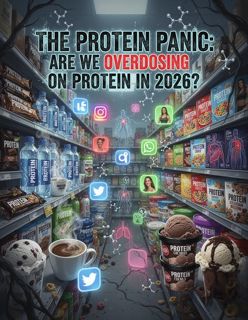
The Protein Panic: Are We Overdosing on Protein in 2026?
Introduction
Protein has become the superstar nutrient of the modern health world. In 2026, grocery store shelves are packed with protein bars, protein water, protein coffee, protein cereals, protein ice cream, and even protein-enriched snacks that traditionally had little nutritional value. Social media influencers, fitness coaches, and health brands constantly promote high-protein lifestyles, making many people believe that more protein automatically means better health.
But amid this protein obsession, an important question has emerged: Are we consuming too much protein?
While protein is essential for muscle growth, tissue repair, hormone production, and overall health, experts are increasingly examining whether excessive protein intake may come with hidden risks. As protein consumption reaches record levels worldwide, many people are unknowingly eating far more than their bodies actually need.
This article explores the science behind the modern protein boom, the benefits and risks of high-protein diets, and whether the world is facing a new nutritional phenomenon known as "The Protein Panic."
What Is Protein and Why Do We Need It?
Protein is one of the three primary macronutrients alongside carbohydrates and fats.
It is made up of amino acids, often called the building blocks of life. These amino acids help create:
Muscles
Skin
Hair
Nails
Hormones
Enzymes
Immune cells
Organs and tissues
Without sufficient protein, the human body cannot properly repair itself or function efficiently.
The Essential Functions of Protein
Protein plays several critical roles:
Muscle Growth and Maintenance
Protein helps build and preserve muscle mass, particularly during exercise and aging.
Tissue Repair
Every day, your body repairs damaged cells and tissues using protein.
Hormone Production
Many hormones rely on amino acids for their creation.
Immune Support
Antibodies that fight infections are made from proteins.
Energy Source
When necessary, protein can be converted into energy.
The Rise of Protein Culture
The protein industry has exploded over the past decade.
In 2026, protein is no longer limited to athletes and bodybuilders. It has become a mainstream health trend.
Why Is Everyone Obsessed With Protein?
Several factors are driving this phenomenon.
Fitness Influencer Culture
Social media platforms are filled with transformation videos promoting high-protein diets.
Weight Loss Trends
Many popular diets emphasize protein because it increases feelings of fullness.
Aging Population
Older adults are encouraged to consume more protein to prevent muscle loss.
Food Industry Marketing
Companies now market protein as a health-enhancing ingredient regardless of product quality.
How Much Protein Do We Actually Need?
One of the biggest misconceptions is that everyone needs extremely high protein intake.
Recommended Daily Intake
Most health organizations recommend approximately:
0.8 grams of protein per kilogram of body weight for average adults
For example:
60 kg person = 48 grams daily
70 kg person = 56 grams daily
80 kg person = 64 grams daily
Athletes Need More
Individuals who train intensely may require:
1.2–2.2 grams per kilogram of body weight
This supports recovery and muscle growth.
Older Adults May Benefit From More
Many researchers suggest:
1.0–1.2 grams per kilogram
to reduce age-related muscle decline.
Why Are People Consuming More Protein Than Ever?
m
Recent dietary trends show many individuals exceeding recommended protein intake.
The "More Is Better" Mentality
Many consumers believe:
More protein equals more muscle
More protein equals faster weight loss
More protein equals better health
Unfortunately, biology doesn't work that way.
The body has limits on how effectively it can use protein for muscle building.
What Happens When You Eat Excess Protein?
Once your body's needs are met, additional protein follows different metabolic pathways.
The Body Cannot Store Protein Like Fat
Unlike fat or carbohydrates, protein has no dedicated storage system.
Excess amino acids are typically:
Used for energy
Converted into glucose
Stored as fat if calories exceed needs
This means eating massive amounts of protein does not automatically create more muscle.
The Science of Muscle Protein Synthesis
Muscle growth occurs through a process called muscle protein synthesis.
There Is a Limit
Research suggests muscle-building benefits plateau after a certain amount of protein per meal.
For most people:
Around 20–40 grams per meal maximizes muscle-building signals
Consuming 100 grams in a single sitting does not produce five times more muscle.
The body simply processes the excess differently.
The Hidden Risks of Excessive Protein Consumption
Protein itself is not dangerous for most healthy individuals.
However, consistently consuming extreme amounts may create concerns.
Increased Calorie Intake
Many protein-rich products contain:
Added sugars
Saturated fats
Excess calories
People often gain weight despite believing they are eating healthier.
Protein Bars Are Not Always Healthy
Many protein bars contain:
Candy-like ingredients
Artificial sweeteners
Processed oils
Some contain as many calories as desserts.
Digestive Problems
Very high-protein diets may contribute to:
Constipation
Bloating
Indigestion
Gut discomfort
Especially when fiber intake is low.
Reduced Nutritional Diversity
When people focus excessively on protein, they often reduce:
Fruits
Vegetables
Whole grains
Legumes
This can create nutrient imbalances despite high protein intake.
Dehydration Risk
Protein metabolism produces nitrogen waste.
The kidneys remove these byproducts through urine.
As a result:
Water requirements may increase
People consuming very high protein diets often need additional hydration.
Does Too Much Protein Damage the Kidneys?
This is one of the most debated questions in nutrition.
The Historical Concern
For decades, experts worried that high-protein diets might overwork the kidneys.
What Research Shows
For healthy individuals:
Current evidence generally shows no major kidney damage from moderately high protein intake.
However:
People with existing kidney disease may need protein restrictions.
This distinction is often misunderstood online.
Can Too Much Protein Harm the Liver?
The liver processes amino acids and removes nitrogen waste.
Healthy People vs Existing Conditions
Most healthy individuals can tolerate higher protein consumption.
However:
Those with serious liver disorders may require specialized dietary management.
Again, health status matters greatly.
The Environmental Cost of Protein Mania
The protein boom is not only affecting human health.
It is also impacting the planet.
Animal-Based Protein Production
Large-scale meat production requires:
Vast land areas
Water resources
Feed crops
Energy consumption
Carbon Footprint Concerns
Beef production remains one of the largest contributors to agricultural greenhouse gas emissions.
As protein demand rises, environmental pressure increases.
The Explosion of Protein Supplements
Protein powders have become a billion-dollar industry.
Types of Protein Supplements
Popular options include:
Whey protein
Casein protein
Soy protein
Pea protein
Rice protein
Mixed plant proteins
Are Supplements Necessary?
For many people:
No.
Most individuals can meet protein needs through regular food.
Supplements are often convenient rather than essential.
The Protein Marketing Problem
Food companies know protein sells.
"Protein Halo" Effect
Consumers frequently assume:
High protein = healthy
This assumption is often incorrect.
Examples include:
Protein cookies
Protein donuts
Protein chips
Protein ice cream
While these products contain protein, they may still be highly processed.
Are We Confusing Fitness With Health?
A muscular appearance does not always equal optimal health.
The Social Media Illusion
Many fitness influencers promote:
Extremely high protein diets
Multiple daily shakes
Excessive supplement use
Yet these approaches may not be necessary for average individuals.
Individual Needs Matter
Protein requirements vary based on:
Age
Activity level
Body composition
Health conditions
Fitness goals
There is no universal protein target.
The Psychology Behind Protein Obsession
Nutrition trends often become cultural movements.
Why Protein Feels Safe
Unlike carbohydrates or fats, protein rarely receives negative media attention.
As a result:
Many people see protein as a nutrient they can consume endlessly without consequences.
This perception fuels overconsumption.
The Role of Artificial Intelligence and Personalized Nutrition
m
In 2026, nutrition is becoming increasingly personalized.
AI-Based Diet Planning
Advanced nutrition apps now analyze:
Activity levels
Body composition
Health metrics
Dietary habits
These systems can estimate individual protein needs more accurately.
The End of One-Size-Fits-All Advice
Future nutrition guidance will likely focus on personalized recommendations rather than blanket high-protein messaging.
Signs You May Be Eating More Protein Than Necessary
m
You might be consuming excessive protein if:
You rely on multiple protein shakes daily
Every meal revolves around protein intake
You neglect fruits and vegetables
You consume protein-fortified snacks constantly
Your total intake greatly exceeds your activity needs
More protein is not always better.
Finding the Right Protein Balance
The goal is not to fear protein.
The goal is balance.
Smart Protein Strategies
Focus on:
High-Quality Protein Sources
Choose:
Fish
Eggs
Poultry
Lean meats
Greek yogurt
Beans
Lentils
Tofu
Tempeh
Spread Protein Throughout the Day
Instead of consuming huge amounts at one meal:
Distribute protein across breakfast, lunch, dinner, and snacks.
Prioritize Whole Foods
Whole food sources provide:
Vitamins
Minerals
Fiber
Healthy fats
that supplements often lack.
The Future of Protein Consumption
The protein trend is unlikely to disappear.
Emerging Protein Sources
Scientists are developing:
Precision-fermented proteins
Lab-grown proteins
Insect proteins
Algae proteins
Advanced plant proteins
These innovations may reshape global nutrition over the coming decades.
Conclusion
The protein boom of 2026 has transformed the way people eat. Protein is undoubtedly essential for health, muscle maintenance, recovery, and longevity. However, the growing belief that unlimited protein automatically leads to better health is not supported by science.
For most people, moderate increases in protein can be beneficial, particularly for athletes, active individuals, and older adults. Yet excessive consumption often provides diminishing returns while potentially increasing calorie intake, reducing dietary variety, and encouraging reliance on highly processed foods.
The real lesson behind the Protein Panic is not that protein is harmful—it is that balance still matters. The healthiest diet is rarely built around a single nutrient. Instead, long-term wellness comes from a diverse eating pattern that includes adequate protein alongside fruits, vegetables, whole grains, healthy fats, and overall lifestyle habits.
As nutrition science evolves, the future will likely move away from blanket high-protein recommendations and toward personalized approaches that match each person's unique needs. Until then, the smartest strategy may be simple: eat enough protein to support your health, but don't let protein become your entire personality.
Frequently Asked Questions (FAQs)
1. Is eating too much protein dangerous?
For most healthy people, moderate excess protein is not dangerous. However, extremely high intake may contribute to digestive issues, excess calorie consumption, and poor dietary balance.
2. How much protein do athletes need?
Athletes typically benefit from about 1.2–2.2 grams of protein per kilogram of body weight, depending on training intensity and goals.
3. Can the body store extra protein?
No. Excess protein is usually used for energy, converted into glucose, or stored as fat if total calorie intake exceeds needs.
4. Are protein supplements necessary?
Not usually. Most people can meet their protein requirements through whole foods. Supplements mainly offer convenience.
5. Does high protein damage healthy kidneys?
Current research suggests that healthy kidneys generally tolerate moderately high protein intake well. People with kidney disease should consult healthcare professionals.
6. What are the healthiest protein sources?
Fish, eggs, poultry, beans, lentils, tofu, yogurt, nuts, seeds, and lean meats are among the best protein-rich foods.
0 件のコメント
この投稿にコメントしよう!
この投稿にはまだコメントがありません。
ぜひあなたの声を聞かせてください。