
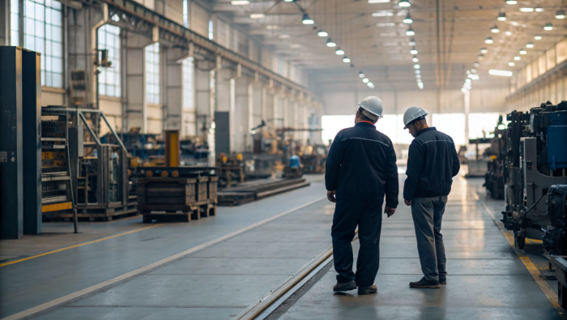
Total Productive Maintenance (TPM) helps companies keep machines running well. It focuses on preventing problems before they stop production. When machines run smoothly, work becomes faster, safer, and more reliable.
However, Total Productive Maintenance works best when teams know the real condition of their machines. Without clear information, maintenance may happen too early or too late. Both situations waste time and money.
This is why modern industries rely on smarter maintenance methods. One of the most useful approaches focuses on monitoring machine health and responding only when needed. This method supports TPM goals and improves overall equipment performance.
In this article, we will explain why this approach is essential for Total Productive Maintenance and how it helps businesses reduce downtime, save money, and improve productivity.
Understanding Total Productive Maintenance
Total Productive Maintenance is a system that aims to keep equipment in perfect working condition. It involves operators, maintenance teams, and managers working together.
The goal is simple: prevent breakdowns and improve efficiency.
TPM focuses on several key ideas:
Prevent equipment failure
Improve machine reliability
Increase productivity
Reduce downtime
Involve all employees in maintenance
Unlike traditional maintenance systems, TPM encourages machine operators to take part in routine care. They clean, inspect, and report small issues before they grow into big problems.
The Challenges of Traditional Maintenance
Many companies still follow two common maintenance methods: reactive maintenance and scheduled maintenance.
Reactive Maintenance
Reactive maintenance means fixing equipment only after it breaks. While this method may seem simple, it causes serious problems.
Breakdowns stop production. Workers must wait for repairs. Emergency fixes often cost more and may damage other parts of the machine.
In busy factories, even a short delay can affect production targets and customer orders.
Scheduled Maintenance
Scheduled maintenance tries to avoid failures by servicing machines at fixed times. For example, maintenance may occur every month or after a set number of operating hours.
While this method is better than reactive maintenance, it still has limitations.
Sometimes machines are serviced even when they are working perfectly. This wastes time, labor, and spare parts. On the other hand, problems may appear between scheduled checks and cause unexpected downtime.
The Role of Condition-based Maintenance in TPM
Total Productive Maintenance aims to remove waste from production processes. That includes unnecessary maintenance work.
Instead of relying only on schedules, companies now monitor machine performance in real time. They check temperature, vibration, pressure, noise, and other signals.
These signals help teams understand the true health of equipment.
When a machine shows early signs of wear or failure, maintenance teams can act quickly. If everything looks normal, the machine continues running without interruption.
This balanced approach protects both productivity and equipment life.
Why Monitoring Equipment Condition Matters
Machines rarely fail without warning. Most equipment gives small signals before serious damage occurs.
For example:
Bearings may start vibrating
Motors may run hotter than normal
Pumps may produce unusual noise
Pressure levels may change
If these signals are ignored, small issues turn into costly failures.
However, when teams monitor machine health, they can detect problems early. Early detection means repairs can happen during planned downtime rather than during emergencies.
This improves safety, reduces repair costs, and protects production schedules.
How This Approach Supports TPM Maintenance
Total Productive Maintenance focuses on eliminating the six major losses in manufacturing. These losses include breakdowns, slow production, and quality problems.
Monitoring machine health helps address many of these issues.
Reducing Equipment Breakdowns
When machines are monitored regularly, faults are discovered early. Maintenance teams can repair or replace parts before a breakdown happens.
As a result, production continues without unexpected stops.
Improving Equipment Reliability
Reliable machines produce consistent results. When equipment works properly, product quality also improves.
Maintenance teams can maintain stable machine performance by watching equipment conditions.
Supporting Operator Involvement
TPM encourages operators to participate in machine care. Monitoring systems help operators notice small changes in performance.
This makes it easier for them to report issues quickly.
Lowering Maintenance Costs
Fixing small problems is cheaper than repairing major failures. Early repairs reduce spare part costs and labor hours.
Over time, this lowers the total cost of equipment maintenance.
Benefits for Production Efficiency
When Total Productive Maintenance works together with equipment monitoring, production efficiency improves in several ways.
Less Downtime
Unexpected downtime disrupts production and delays orders. Early detection allows maintenance teams to schedule repairs during planned breaks.
This keeps production lines running smoothly.
Better Use of Maintenance Resources
Maintenance staff can focus on machines that truly need attention. They spend less time checking equipment that is already working well.
This improves workforce efficiency.
Longer Equipment Life
Machines last longer when problems are fixed early. Regular monitoring prevents severe damage and reduces stress on components.
As a result, companies avoid costly equipment replacements.
Improved Workplace Safety
Faulty machines can create dangerous conditions. Overheating motors or worn parts may cause accidents.
Monitoring machine health helps detect these risks before they become safety hazards.
Building a Strong Maintenance Culture
Technology alone cannot create a successful TPM system. A strong maintenance culture is equally important.
Employees must understand the value of early problem detection. Operators should feel responsible for reporting unusual machine behavior.
Maintenance teams should also review equipment data regularly.
Training workers to recognize early warning signs builds a proactive maintenance environment.
When everyone works together, Total Productive Maintenance becomes more effective.
How to Integrate Monitoring Systems into TPM
To gain the full benefits of Total Productive Maintenance, companies should integrate monitoring tools into their daily operations.
Several steps help make this process successful.
Start with Critical Equipment
Not all machines require the same level of monitoring. Companies should first focus on equipment that is essential for production.
If these machines fail, production stops completely.
Train Maintenance Teams
Maintenance staff must know how to read data and interpret machine signals. Proper training helps them make accurate decisions.
Use Data to Plan Maintenance
Maintenance schedules should be adjusted based on machine condition data. This creates a more flexible and efficient maintenance system.
Encourage Team Communication
Operators, technicians, and managers must share information. Quick communication ensures problems are addressed without delay.
The Long-Term Impact on Industrial Performance
Industries that combine monitoring strategies with Total Productive Maintenance often see major improvements.
Production becomes more stable. Maintenance costs decrease. Equipment lasts longer. Worker safety also improves. Over time, companies build a reliable production system that supports growth and customer satisfaction.
Instead of reacting to failures, teams stay ahead of problems. This proactive mindset is the true goal of Total Productive Maintenance.
Conclusion
TPM maintenance aims to create a reliable and efficient production environment. However, traditional maintenance methods cannot always provide the accuracy needed to prevent failures.
Monitoring machine health allows maintenance teams to make better decisions based on real equipment conditions.
When businesses shift from fixed schedules to condition-focused maintenance, they reduce downtime, lower costs, and improve productivity.
Most importantly, this approach helps companies detect problems early and maintain smooth operations.
For industries that depend on reliable equipment, integrating smarter maintenance strategies into Total Productive Maintenance is no longer optional. It is a key step toward long-term operational success.
Take control of your operations today! Use MicroMain's predictive maintenance to prevent unexpected failures and safeguard your equipment’s future.
Frequently Asked Questions
What is condition-based or predictive maintenance in Total Productive Maintenance?
Predictive maintenance monitors equipment health using real-time data so maintenance occurs only when needed, helping Total Productive Maintenance reduce downtime and improve equipment reliability.
How does predictive maintenance support Total Productive Maintenance?
It helps detect machine issues early, allowing teams to fix small problems before they become major failures, which supports the preventive goals of Total Productive Maintenance.
What are the benefits of predictive maintenance?
It reduces unexpected breakdowns, lowers maintenance costs, improves equipment lifespan, and helps organizations schedule maintenance tasks more effectively.
Is predictive maintenance better than preventive maintenance?
Predictive maintenance uses real equipment data, making maintenance more accurate, while preventive maintenance follows fixed schedules regardless of machine condition.
Why is equipment monitoring important in Total Productive Maintenance?
Monitoring provides insights into machine performance, helping maintenance teams make informed decisions and maintain stable production operations.
0 件のコメント
この投稿にコメントしよう!
この投稿にはまだコメントがありません。
ぜひあなたの声を聞かせてください。