

Understanding how an emergency room works can make a stressful situation feel more manageable. When sudden illness or injury happens, knowing what to expect helps patients and families stay calm and make informed decisions. An Emergency Room in Fort Worth TX is designed to deliver fast, structured, and life-saving medical care, ensuring that patients receive immediate attention when time is critical. Emergency rooms operate with a clear workflow that prioritizes patient safety, rapid diagnosis, and effective treatment. From the moment a patient arrives until discharge or transfer, every step follows a carefully coordinated process focused on urgency and quality care.
What Is the Purpose of an Emergency Room?
An emergency room exists to treat urgent and potentially life-threatening medical conditions. Unlike primary care clinics or urgent care centres, emergency rooms are open 24/7 and equipped with advanced medical technology. They handle serious symptoms such as chest pain, breathing difficulties, severe injuries, neurological issues, and sudden unexplained pain. In a growing city like Fort Worth, emergency rooms play a critical role in community health by providing immediate access to professional medical care at all hours.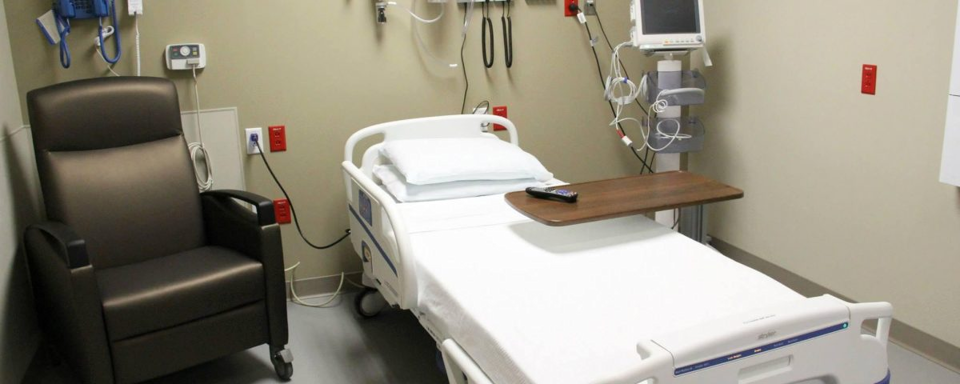
Step 1: Arrival at the Emergency Room
The emergency care process begins the moment a patient arrives. Patients may walk in on their own, arrive with a family member, or be brought in by ambulance. Ambulance arrivals are typically pre-assessed by paramedics, allowing emergency staff to prepare in advance. At arrival, basic information is collected, including the patient’s name, symptoms, and reason for the visit. This step is designed to be quick so medical evaluation can begin without delay.
Step 2: Triage and Priority Assessment
Triage is one of the most important steps in how an emergency room works. During triage, a trained nurse evaluates the patient’s symptoms, vital signs, and overall condition. This process determines how urgently the patient needs care. Patients with life-threatening conditions are treated immediately, while those with less severe symptoms may wait briefly. Triage ensures that care is delivered based on medical urgency rather than arrival time.
Step 3: Initial Medical Evaluation
After triage, the patient is taken to a treatment area for further evaluation. Emergency physicians and nurses review symptoms, medical history, allergies, and current medications. A physical examination helps identify the potential cause of the problem. If necessary, immediate stabilization begins at this stage. This may include oxygen support, IV access, pain management, or emergency medications.
Step 4: Diagnostic Testing
Accurate diagnosis is essential in emergency care. Emergency rooms rely on fast and reliable diagnostic tools to determine the cause of symptoms. Common diagnostic services include X-rays, CT scans, ultrasounds, and laboratory blood tests.
These tests help physicians identify injuries, infections, internal bleeding, cardiac issues, or neurological conditions. On-site diagnostics reduce delays and allow treatment decisions to be made quickly.
Step 5: Treatment and Medical Intervention
Once test results are available, the medical team develops a treatment plan. Treatment may involve medications, IV fluids, wound care, respiratory therapy, or other interventions depending on the condition. Emergency physicians focus on relieving symptoms, stabilizing the patient, and preventing complications. Continuous monitoring ensures that the patient responds well to treatment and remains safe throughout the visit.
Monitoring and Observation
Some conditions require short-term observation before a final decision can be made. Patients may be monitored for changes in vital signs, symptom progression, or response to medication. Observation allows physicians to gather more information and determine whether the patient can be safely discharged or needs additional care. This step is especially important when symptoms are unclear or evolving.
Specialist Consultation and Transfers
In certain cases, emergency physicians may consult specialists for additional expertise. If a patient requires advanced care not available on-site, arrangements are made for transfer to a hospital or specialty facility. These decisions are based on patient safety and medical necessity, ensuring continuity of care throughout the emergency process.
Discharge Process
If the patient is stable and no further emergency treatment is required, the discharge process begins. Physicians explain the diagnosis, treatment provided, and any medications prescribed. Patients receive clear instructions on follow-up care and warning signs that require a return visit. Discharge education is an essential part of emergency care, helping patients recover safely at home.
Admission When Needed
When a patient’s condition requires ongoing treatment, hospital admission may be necessary. Emergency room staff coordinate with hospitals to ensure a smooth transition. Patient records, test results, and treatment details are shared to maintain continuity of care.
How Emergency Rooms Are Designed for Efficiency
Emergency rooms are built around speed and organization. From triage systems to on-site diagnostics, every aspect is designed to reduce wait times while maintaining high medical standards. Experienced physicians, nurses, and support staff work together to deliver timely and compassionate care. This structured workflow is what allows an Emergency Room Fort Worth residents depend on to respond effectively to medical emergencies at any hour.
Patient Experience and Safety
Patient comfort and safety are central to emergency care. Clear communication, continuous monitoring, and compassionate treatment help reduce anxiety during stressful situations. Emergency rooms aim to provide reassurance while delivering professional medical care.
For individuals and families seeking dependable emergency medical services, ER of Fort Worth- Emergency Room offers 24/7 access to experienced physicians, advanced diagnostics, and compassionate care. The facility is focused on fast evaluations, accurate diagnoses, and immediate treatment for urgent medical needs in the Fort Worth area.
Why Understanding the ER Process Matters
Knowing how an emergency room works helps patients feel more confident during emergencies. Understanding each step from arrival and triage to treatment and discharge reduces uncertainty and supports better decision-making during stressful moments.
Conclusion
An Emergency Room Fort Worth community members rely on operates through a carefully structured process designed to save lives and protect health. From rapid triage and diagnostic testing to treatment, monitoring, and discharge, every step is focused on timely and effective care. When symptoms are serious or unpredictable, emergency rooms provide the expertise, technology, and compassion needed to handle medical emergencies with confidence and professionalism.
FAQs
How does an emergency room work?
The Endoplasmic Reticulum (ER) is a vast cellular network crucial for making, folding, modifying, and transporting proteins (Rough ER) and lipids (Smooth ER), while also controlling calcium levels and detoxifying harmful substances, acting as a central hub for cell maintenance and communication. Its two types, Rough (with ribosomes) and Smooth (without), work together to synthesize materials, fold proteins correctly.
What are the 5 basic steps in an emergency?
Prevention and Mitigation. Prevention focuses on preventing hazards from occurring, whether they are natural, technological or caused by humans.
Mitigation.
Preparedness.
Response.
Recovery.
eroffortworthtxさんをフォローして最新の投稿をチェックしよう!
0 件のコメント
この投稿にコメントしよう!
この投稿にはまだコメントがありません。
ぜひあなたの声を聞かせてください。